


In the CPG Household Goods sector, brand loyalty is often mistaken for brand love. In reality, loyalty is usually just a habit. Consumers grab the same multi-surface spray or paper towel brand week after week simply because it is on their auto-pilot grocery list.
However, habits are fragile. In the highly competitive Creator Economy, consumers are constantly exposed to new hacks, aesthetic routines, and private-label alternatives. They do not switch brands randomly. They switch when they experience a disruption in their routine, a spike in anxiety, or a change in their environment. Most consumer marketing leaders are keenly aware of these switching moments, and they are the most critical battlegrounds for market share in 2026.
“Consumers don’t abandon their preferred household goods without a catalyst,” explains Danielle DuPreé, VP, Sales – CPG Household Goods at IZEA. “They switch when their daily routine is disrupted by new pressures or environmental changes. If your brand is absent during these highly emotional windows, a trusted creator’s recommendation for a competitor will easily break years of autopilot loyalty.”
To protect your territory and capture competitor market share, your influencer marketing strategy must map to these four critical points of disruption.
- The Fall Reset (The Efficiency Trigger) The transition from the unstructured days of summer to the chaotic back-to-school season is a massive shock to the household system. Consumers are overwhelmed and desperately seeking efficiency.
- The Threat: If a viral TikTok video shows a faster way to sanitize lunchboxes or a better system for organizing the entryway mudroom using a competitor’s product, the consumer will switch instantly to reclaim their time.
- The Creator Solution: Deploy mid-tier creators to showcase “Sunday Prep” routines. Position your brand as the ultimate organizational lifehack that helps parents survive the weekday chaos.
- The Guest-Ready Surge (The Aesthetic Trigger) During November and December, the stakes for a clean home skyrocket. The pressure of hosting family and holiday parties introduces a unique psychological shift: consumers willingly trade up.
- The Threat: They will abandon a cheaper private-label product because they want their guest bathroom to smell like a luxury hotel, or they suddenly need a premium, heavy-duty upholstery cleaner to fix a wine spill before the in-laws arrive.
- The Creator Solution: Capitalize on “hosting anxiety” content. Partner with mega and mid-tier creators to demonstrate how to fake a perfectly clean house in 30 minutes, leaning heavily into premium packaging, seasonal scents, and immediate visual proof.
- The Wellness Defense (The Fear Trigger) From December through February, cleaning shifts from an aesthetic desire to a health necessity. During the peak of cold and flu season, the consumer’s primary driver is fear.
- The Threat: This is the ultimate “Trust-First” moment. A consumer who normally buys a gentle, eco-friendly private-label spray will immediately switch back to a legacy brand because they need clinical certainty that the flu virus is dead.
- The Creator Solution: Activate parenting and lifestyle creators to focus on “sick day protocols.” Content should focus on sanitizing high-touch areas like doorknobs and remotes, using real-life proof to show how your brand protects the family bubble.
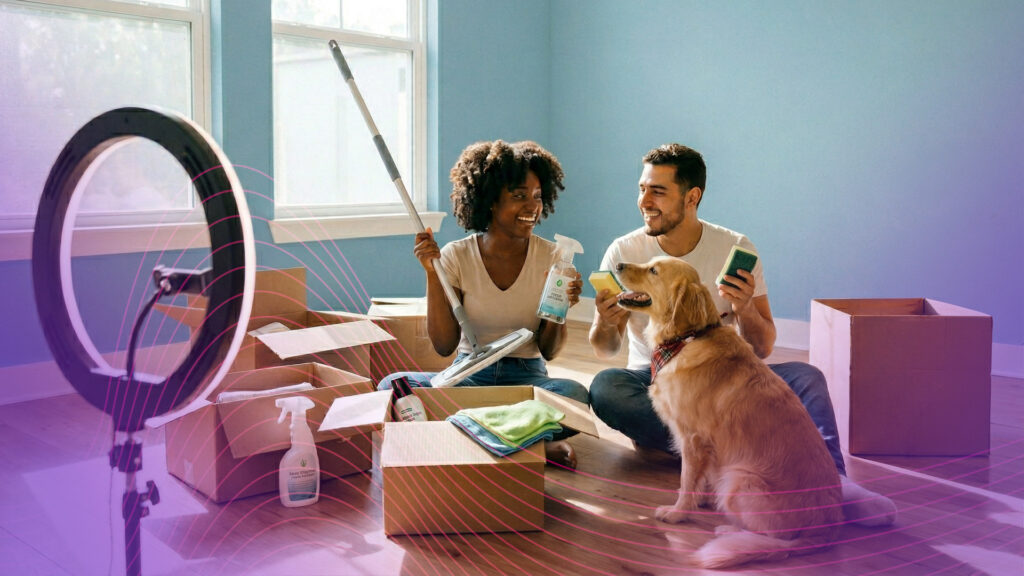
- The “New Mover” Window (The Clean Slate Trigger) While not tied to a specific holiday, millions of people move into new apartments or homes every month. Moving physically breaks all established shopping habits and Subscribe & Save cycles.
- The Threat: The consumer suddenly has entirely different surfaces to care for (hardwood instead of carpet, stainless steel instead of white appliances) and must buy a completely new arsenal of products.
- The Creator Solution: Sponsor “Empty House Tours” and “First Deep Clean” ASMR videos. By catching consumers at the exact moment they establish baseline routines for a brand new space, you lock in their loyalty for the next several years.
The Bottom Line
You cannot defend your market share with a seasonal media buy. Surviving these loyalty breaking points requires an always-on creator engine that anticipates the consumer’s anxiety before it peaks. By partnering with an experienced influencer marketing agency to map your creator content against these four disruptions, you ensure that your brand isn’t just a habit. You become the trusted solution they turn to when life gets messy.
At IZEA, we don’t just make content. We engineer the trust that ensures your brand is the one they reach for every single time they shop. We’d love to hear about your goals—let’s chat.


John Francis is the VP, Sales & Marketing Operations at IZEA, where he champions the alignment of sales and marketing to accelerate innovation and fuel strategic growth within the Creator Economy.