


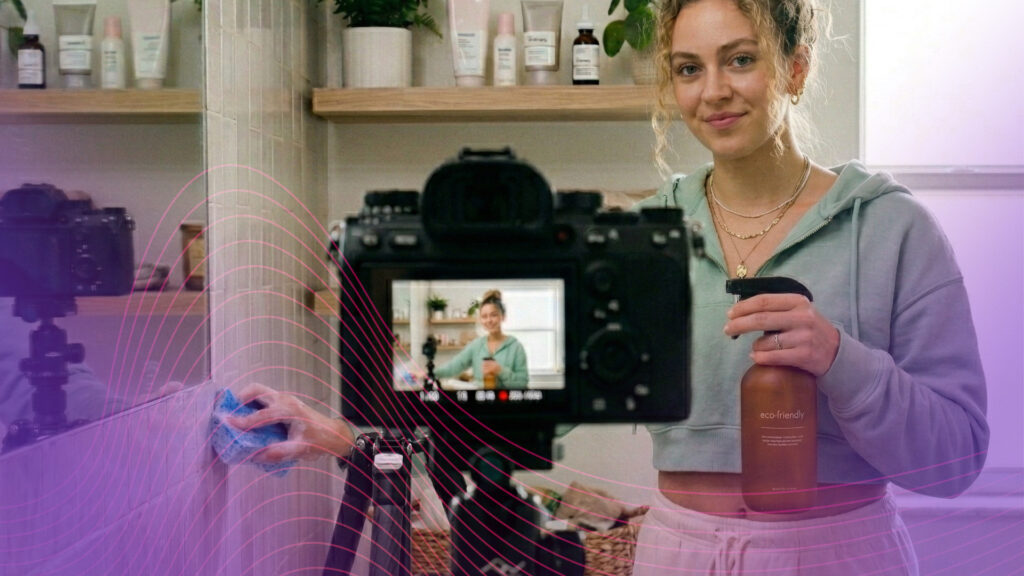
In the CPG Household Goods world, the consumer’s relationship with cleaning has fundamentally shifted. It is no longer just a functional chore meant to kill germs or remove stains. On platforms like TikTok and Instagram, the ritual of deep cleaning has transformed into a highly aesthetic, mood-boosting act of self-care. With billions of views on hashtags like #CleanTok and #DeepClean, consumers are seeking the emotional payoff of a successful clean. They want the satisfaction of the process itself.
For marketing leaders at brands like Georgia-Pacific, Unilever, and P&G, this behavioral shift represents the ultimate point-of-purchase driver. Spring Cleaning, the category’s biggest seasonal window, is simply the cultural peak of this new emotional baseline. However, the traditional approach of seasonal price drops and end-cap displays is no longer enough to win the smarter 2026 consumer. To move the needle, brands must treat cleaning rituals as a multi-layered experience that begins with inspiration and ends at the cart.
The “CleanTok” Effect: Why Creators Own the Ritual
According to the 2025 Creator Economy Ad Spend and Strategy Report from IAB, 86% of consumers in the Creator Economy now make purchase decisions based on creator recommendations. In Household Goods, this is amplified by the visual proof requirement. A traditional ad can claim a spray kills 99.9% of bacteria, but a creator showing the dramatic before and after of a grout-cleaning hack provides the emotional payoff and rational real-life proof that today’s skeptical shopper demands.
“Consumers are chasing the mental clarity that comes from a clean space,” says Danielle DuPreé, VP, Sales – CPG Household Goods at IZEA. “Spring Cleaning is the ultimate high-intent moment to capture this feeling. If you are not reaching consumers with authentic, creator-led validation that highlights this emotional payoff, you are leaving massive market share on the table.”
Whether it is a weekly Sunday Reset or the annual Spring Cleaning surge, this is the peak of experience engineering. It is the moment when the job to be done becomes a shared community event. By leveraging a tiered creator strategy, brands can surround this moment from every angle:
- The Inspiration Phase (Late Feb/Early March): Partner with Mega Creators to launch “The Great Reset” narratives. This is about aspiration and the sensory delight of a reorganized pantry or a refreshed living space.
- The Curiosity Phase (Mid-March): Deploy Mid-Tier “Hack” Creators to demonstrate specific problem-solving. This addresses the decision journey by showing exactly how a product tackles high-friction moments like pet hair, allergens, or deep-set stains, making the process look incredibly satisfying.
- The Action Phase (April): Activate Micro and Nano Creators to drive “Routine Advocacy.” These are the trusted voices in local communities who prove value and efficacy, reducing the threat of consumers switching to cheaper private-label alternatives during their big stock-up trip.
Connecting Culture to the Digital Shelf
This shift in consumer behavior is where the physical and digital shelves collide. In this category, much of the economy still happens offline, yet the discovery happens almost entirely in the feed. This creates a massive opportunity for retailer-specific solutions.
By integrating creator-led content with retail media, such as shoppable “Spring Cleaning Bundles” at Target or Amazon, brands can capture the low stock moment before the consumer even reaches the store. Using the right creators at the right time allows brands to remix assets into hyper-personalized ad variants, ensuring a pet owner sees a pet-safe floor cleaner hack, while a parent sees a non-toxic nursery deep-clean. This achieves personalization at scale during the category’s most competitive window.
The Mandate: Disrupt Before You Are Disrupted
For legacy Household Goods brands, the greatest risk is ignoring this emotional shift. Private labels are hungrier than ever for market share, often winning on price and convenience. To protect your territory, you must reinforce trust through the voices your audience believes in most.
Cleaning is a cultural pulse. It is an opportunity to rebuild trust in a new way, especially for younger audiences who view cleaning as a mood booster and a form of wellness. By systematizing your influencer marketing strategy into an always-on pillar, you ensure that when the job to be done arrives, your brand is the only trusted solution in the cart.
3 Tactics to Own the Ritual
- Activate the Culture Board: Invite your top-performing homecare creators behind the curtain 60 days early to co-develop seasonal “Clean-Along” challenges and exclusive bundles.
- Prioritize Real-Life Storytelling: Move away from polished, perfect homes and instead showcase authentic, everyday moments. Highlighting a messy post-dinner cleanup or the frantic wipe-down after a toddler’s spill connects the product directly to the people actually using it. By showing the product seamlessly solving problems in a relatable environment, brands provide the emotional, real-life proof that static advertising simply cannot replicate.
- Bridge the Last Mile: Ensure every piece of creator content is commerce-enabled. Use direct-to-retailer integrations to turn a viral hack into a measurable sales lift.
Sample Creator Roadmap: The Spring Cleaning Surge
Phase 1: The “Great Reset” (Weeks 1-2)
- Goal: National Inspiration & Brand Salience.
- Creator Tier: Mega & Mid-Tier (Home Decor, Lifestyle).
- Week 1: The Visual Reset. Mega-creators post Aesthetic Time-lapses of an entire room being stripped and cleaned. The brand is positioned as the essential foundation of the “Clean Home, Clear Mind” movement. YouTube is an ideal platform for this deeper storytelling, backed by its massive 2025 growth (views surged 76% YoY as short- and long-form converged, according to eMarketer’s March 2026 Roundup report).
- Week 2: The Pantry/Closet Audit. Mid-tier creators focus on the Hidden Mess. Content centers on the emotional satisfaction of organizing and deep-cleaning the spaces guests never see.
- Key Asset: High-production 9:16 reels with trending Reset audio.
Phase 2: The “Efficacy Audit” (Weeks 3-5)
- Goal: Curiosity & Real-Life Proof.
- Creator Tier: Mid-Tier & Micro (CleanTok Specialists, Parenting, Pet-Owners).
- Week 3: The “How-To” Hacks. Creators tackle high-friction problems like stains, pet dander, and allergens. Strategic Move: Creators use the product in unconventional ways, such as using a floor cleaner to refresh baseboards, to prove versatility.
- Week 4: The Sensory Experience (ASMR). Focus on the sounds and textures of cleaning. The scrub, the spray, and the wipe. This builds a visceral connection to product performance.
- Week 5: The Safety Check. Parenting and Pet creators validate the “Green-First” and non-toxic credentials through everyday usage.
- Key Asset: Split-screen Before & After visuals and voiceover tutorials.
Phase 3: The “Last Mile” (Weeks 6-8)
- Goal: Transaction & Advocacy.
- Creator Tier: Micro & Nano (Local Community, Real Customers).
- Week 6: The Stock-Up Surge. Creators share their Target/Amazon Hauls, specifically highlighting Spring Cleaning bundles. While TikTok owns the “hack” discovery phase, think of Meta for the action phase. Consider deploying Nano-creators across Meta platforms to reach local community groups and parents during their final stock-up trips.
- Week 7: The Final Reveal. A wave of Nano-creators post their finished “Spring Success” stories, tagging the brand as the reason for their success.
- Week 8: The “Always-On” Handover. Transitioning from deep-clean to “Daily Maintenance” rituals and drive Subscribe & Save sign-ups if applicable.
- Key Asset: Shoppable “Add to Cart” links and retail-specific promo codes.
| Tactic | Execution Detail | Validation |
| Search Optimization | Creators use captions like “Best deep clean hacks 2026” to capture social search traffic. | 60% of searches now end in-platform. |
| Whitelisting | Top 10% of performing “Hack” videos are amplified via Creator Handles (Spark Ads). | Creator handle ads outperform brand ads by 2X. |
| Unified Data | All creator links are tagged to track “Inspiration to Purchase” via the brand’s CDP. | Closes the attribution loop between social discovery and retail purchase. |
The Bottom Line
Cleaning is an emotional reset, not a chore. Partnering with the right influencer marketing agency to activate creators ensures your brand isn’t just a line item on a grocery list. It is the hero of the home’s most important seasonal rituals.
Navigating the creator economy doesn’t have to be a solo effort. As a full-service agency, IZEA partners with brands to build tailored, impactful solutions. We’d love to hear about your goals. Let’s chat.


John Francis is the VP, Sales & Marketing Operations at IZEA, where he champions the alignment of sales and marketing to accelerate innovation and fuel strategic growth within the Creator Economy.