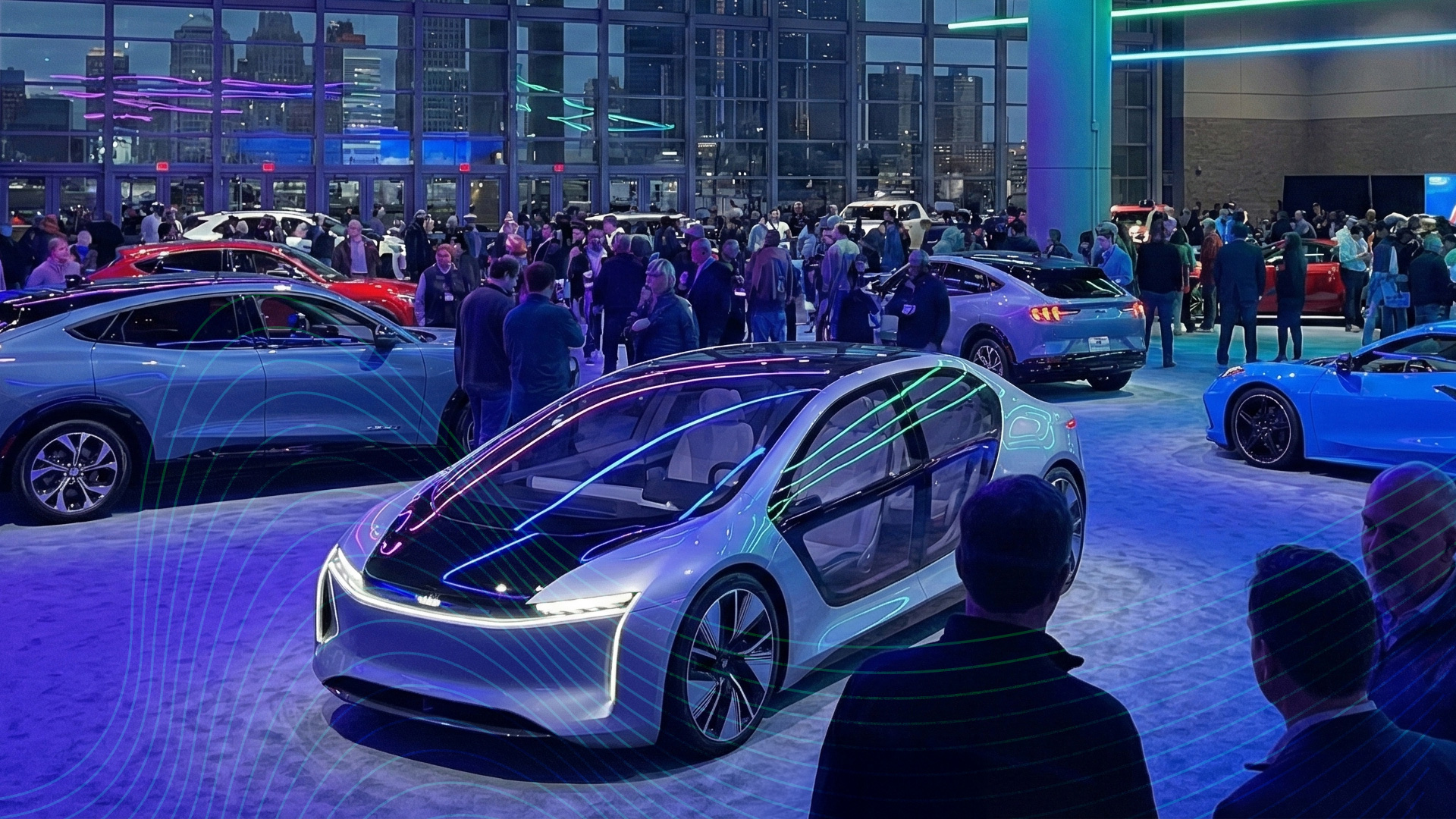
The path from a 30-second TV spot to a showroom floor has been replaced by a fluid, multi-touch, culturally attuned journey where unlocked mobility and a generational shift are rewriting the rules of vehicle ownership. To win in 2026, brands must transition from staggered TV campaigns to an always on creator-driven strategy designed to fuel the feed at every turn. This shift is mirrored by the broader market, where creator ad spend is projected to reach $43.9B in 2026 , growing four times faster than the media industry overall.
1. Rebuilding Loyalty Through Creator Chemistry
Technical specs are no longer a differentiator in a crowded and commoditized market. Loyalty is eroding under the weight of high transaction prices and endless choices.
To reverse this, influencer marketing must be a strategic pillar, not a tactical add-on. The focus must shift from hardware to experience. By leveraging creator chemistry, brands can share emotional, lived stories that highlight the entire customer journey, not just the metal. This aligns with the 35% of brands that prioritize enhancing brand reputation and trust as a core campaign objective. When creators build a community around shared values, they transform a generic vehicle into an essential part of a consumer’s identity.
For example, instead of launching a new electric SUV with specs, horsepower, and range charts, brands partner with a small group of creators who genuinely live the lifestyle the vehicle enables. Over time, these creators do not just review the vehicle, they build a community around freedom, balance, sustainability, and adventure. Followers do not see “a car,” they see their life reflected. That is when influence turns into long-term brand loyalty.
2. Moving at the Speed of Culture
Automotive brands can no longer afford silence between major launches. Cultural trends emerge and vanish in a week; inactivity results in the erosion of brand equity.
This requires an “always-on” engine. Creators serve as your brand’s cultural antenna, anticipating shifts in consumer values like sustainability or urban micro-mobility. Maintaining a constant presence in the feed ensures your brand remains top of mind, turning every scroll into a touchpoint for connection. Currently, 48% of brands consider creator marketing a “must buy” for their media plans , ranking it as a more essential channel than CTV or linear TV.
“Culture does not wait for launch calendars. If your brand goes quiet between moments, relevance erodes fast. Creators are the antenna, helping brands stay present, sense shifts in values like sustainability or micro-mobility, and show up in-feed where real connection is built. Always-on is not noise; it is how brands stay top of mind in a world that scrolls at the speed of culture.” — Lauren Gregory, VP of Brand Partnerships, Mobility
3. Scaling from National to Local
A high-impact strategy requires the agility to scale impact across different layers of the market:
- National Inspiration: Use top-tier or mega-creators with 1M to 5M followers to drive broad cultural relevance , a tactic currently utilized by 42% of brands.
- Regional Consideration: Partner with mid-tier creators with 50K to 500K followers , who are the most frequently used group at 61% adoption due to their balance of reach and affordability.
- Local Intent: Utilize micro-creators with 10K to 50K followers to drive traffic to local dealerships. 55% of brands currently use micro-creators to bridge the gap between digital discovery and physical trial.
4. Overcoming Internal Roadblocks
The transition to a creator-centric model often hits internal friction, such as fragmented data, siloed departments, and legacy measurement systems. Automotive, tech, and telecom brands specifically cite incorporating results into Marketing Mix Models (MMMs) as a primary challenge.
Overcoming these requires:
- Unified Measurement: Transforming influencer spend into a measurable business driver. While building brand awareness is the top goal for 43% of marketers , ROI remains the most common KPI at 40%.
- Operational Agility: Streamlining legal and brand approvals. This is critical as 25% of brands cite negotiating contracts and legal compliance as a top three operational challenge.
5. Precision-Led Creator Media Planning with Authentic Creator Assets
In 2026, the traditional media buy has evolved into a precision engine powered by authentic creator content. Rather than running a single, polished brand film, marketers can utilize modular content libraries captured by influencers to fuel high-impact performance ads. Notably, nearly half of brands are already using AI to edit and personalize this content for greater efficiency.
This approach integrates creator chemistry directly into the media plan. By deploying these authentic assets through programmatic buying and social platforms, marketers ensure the right content meets the right audience with surgical precision. This synergy between human storytelling and data-driven precision is how you cut through the noise, build immediate trust, and drive measurable purchase intent across the entire decision journey. Driving online sales is already a top-four goal for brands, proving that creators are essential for moving consumers toward the “end-of-journey.”
The Bottom Line
Success in the new mobility era is not about the biggest budget; it is about the most adaptive strategy. By putting creators at the center of the consumer journey, automotive brands can unlock incremental paths to purchase in a market expected to grow to $43.9B in 2026.
Navigating the creator economy doesn’t have to be a solo effort. As a full-service agency, IZEA partners with brands to build tailored, impactful solutions. We’d love to hear about your goals—let’s chat.
Source: IAB 2025 Creator Economy Ad Spend & Strategy Report
John Francis is the VP, Sales & Marketing Operations at IZEA, where he champions the alignment of sales and marketing to accelerate innovation and fuel strategic growth within the Creator Economy.