You can feel the whole theater lean in in anticipation. The line lands, the room erupts, popcorn flies, and by the time the credits roll, reactions are already climbing the For You page.
That isn’t a disruption to the movie. For a growing share of moviegoers, it is the movie- or at least the part they’ll share.
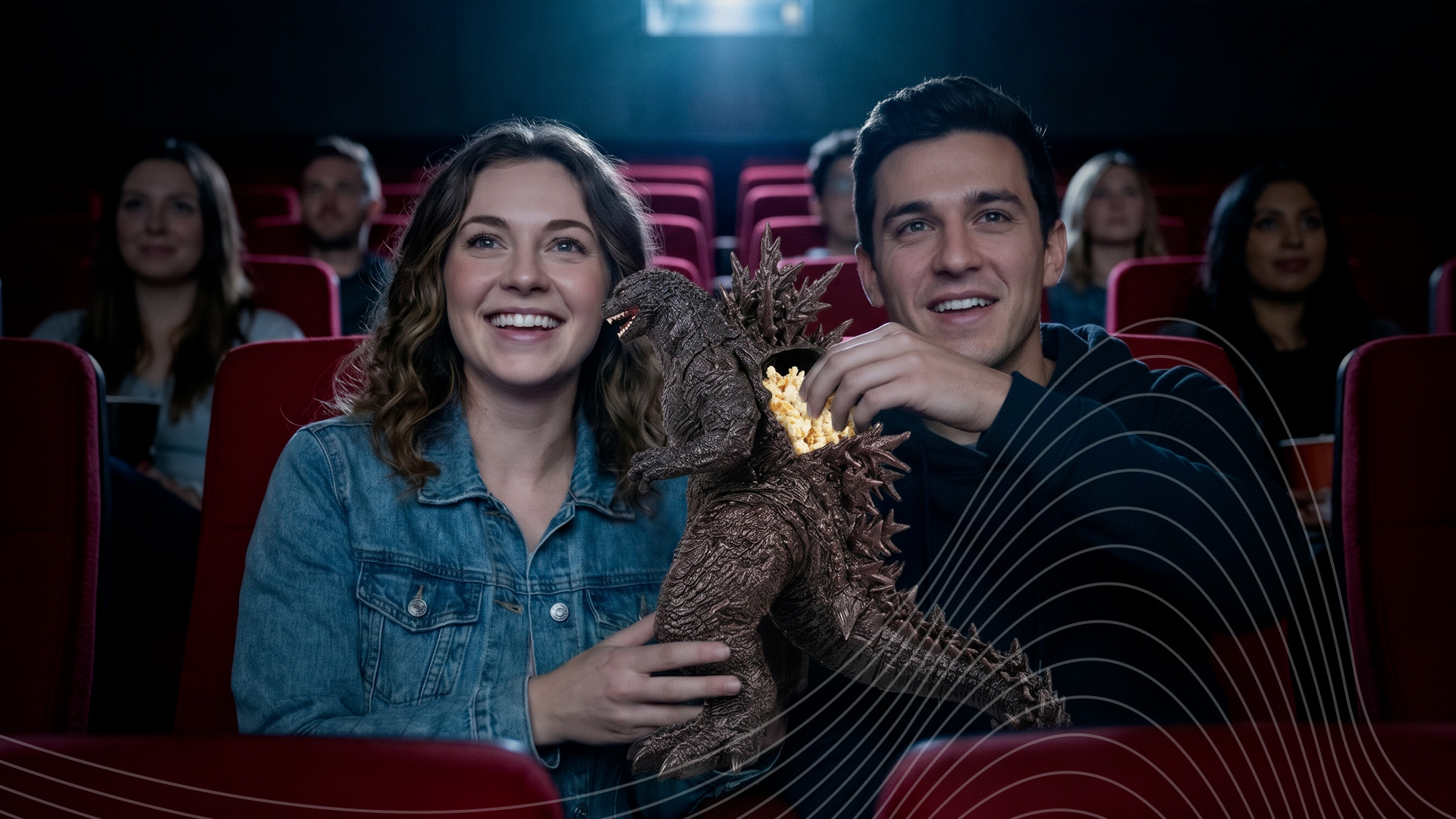
That’s the headline: going to the movies has become content. Themed popcorn buckets, exclusive merch drops and audience participation have turned the trip to the theater into something people film, post and show off. For studios and exhibitors, the experience is no longer just where the film plays. It’s a content strategy in its own right.
Why the trip matters now
Streaming made the movie itself easy to get. What it can’t deliver is the night out. That’s where theaters still win, and it’s exactly what the youngest audiences are paying for.
Gen Z made up nearly 40% of North American moviegoers in 2025, seeing an average of seven films in theaters that year. They’re selective about spending, but they’ll pay for experiences they can share with friends, and they want to be in the room when the conversation is happening.
That matters for the business, too. Opening weekend gets the headlines, but a film earns its keep in weeks three, four and five. Once the launch campaign winds down, what keeps a movie in the conversation is people posting about the experience of seeing it. A shareable night out is a reason to go back, bring friends and keep a run alive.
The bucket economy
The collectible popcorn bucket used to be a plastic tub with a poster on it. Now it’s a launch event. A good bucket gets revealed, reviewed, memed, unboxed and resold, often before the movie opens.
The shift is showing up in the numbers. AMC sold collectible vessels for nine movies in 2023. In 2026, it plans to sell them for more than 40.
| Image | Bucket | What happened | Why it worked |
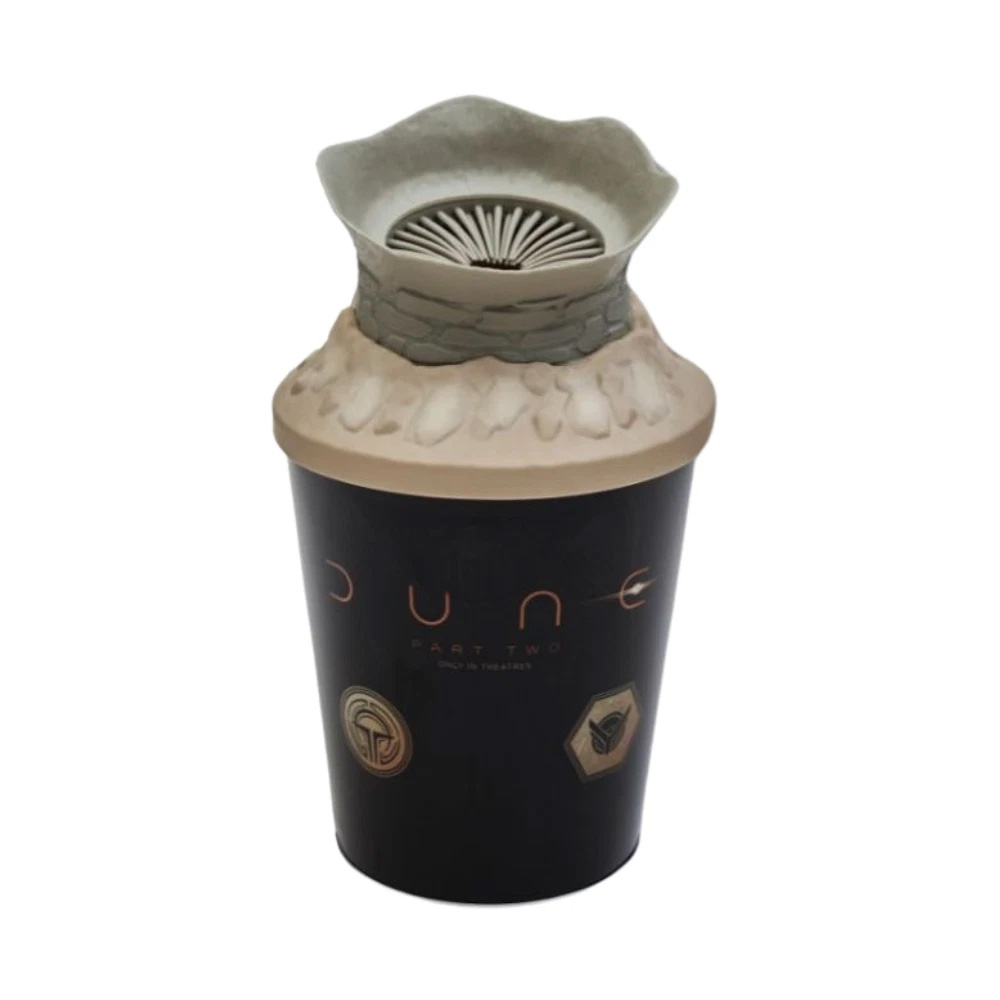 |
Dune: Part Two sandworm (2024) | Went viral before the film opened, sold out and resold for as much as $219 | Its meme-ability made it the most talked-about bucket of the year |
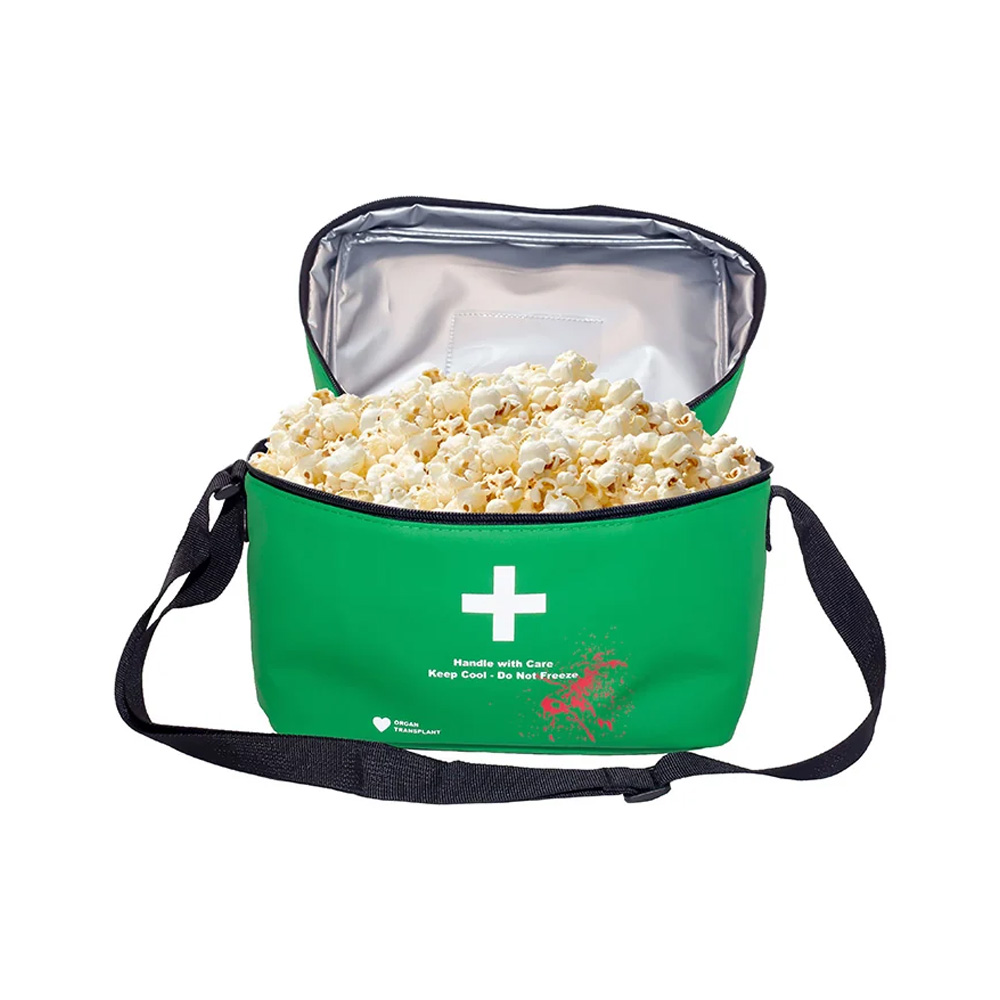 |
Resident Evil organ transplant cooler (2026) | Sold out at theaters and online, with fans emailing the maker for more | A darkly funny design that horror fans wanted to show off |
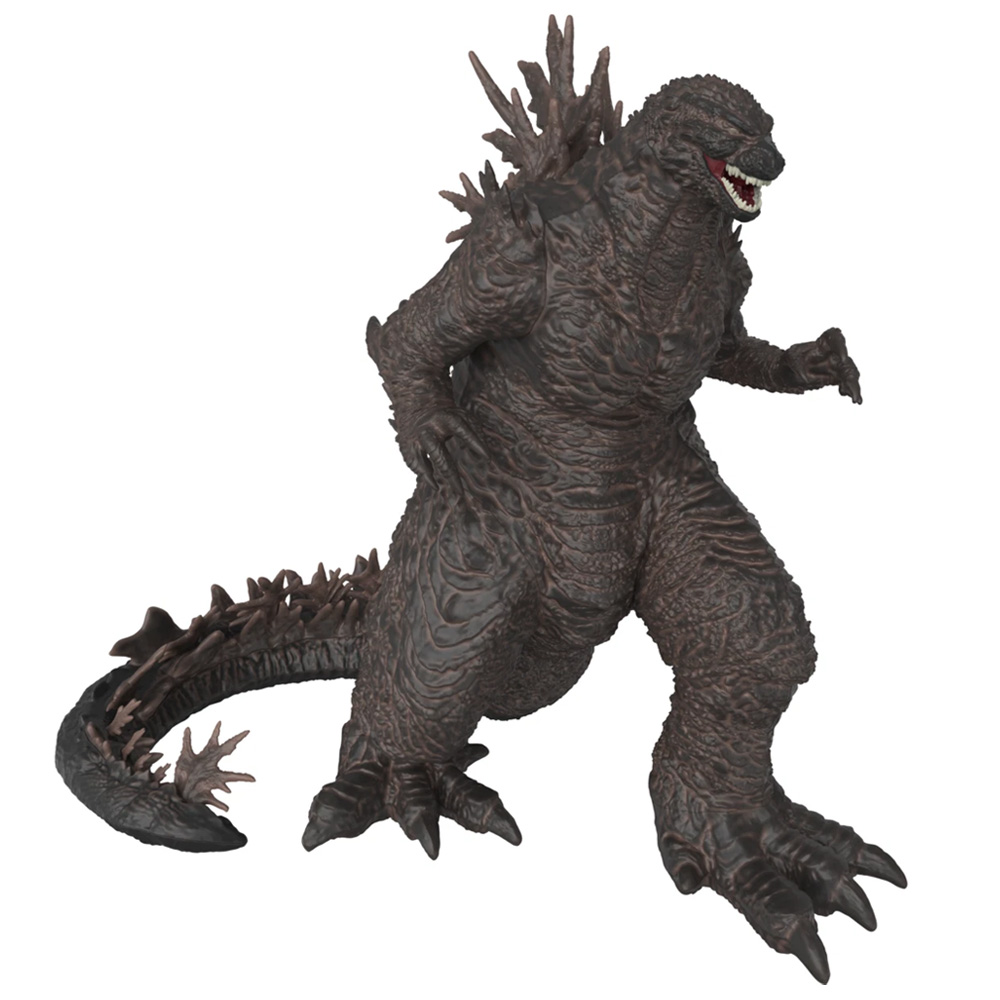 |
Godzilla Minus Zero kaiju bucket (2026) | Fandango’s $100 ticket-and-bucket bundle sold out about a day after pre-orders opened | An oversized collectible built for a reaction, selling out before the film even opened |
When the audience becomes the show
In April 2025, two words turned A Minecraft Movie into a cultural event: “chicken jockey.” Fans had memorized the line from the trailer. When Jack Black delivered it on the big screen, theaters erupted with cheers, chants and flying popcorn, and audience videos went viral on TikTok and Instagram.
The film became a box office smash. Part of the draw was the chance to be in the room for the moment. Researchers have since studied the trend as a new kind of audience ritual.
The pattern isn’t new. The Rocky Horror Picture Show has run on callbacks for decades, and sing-along screenings have been around just as long. What’s new is the scale. A ritual that once spread theater by theater now spreads worldwide in a weekend thanks to TikTok.
Some exhibitors leaned in. UK chain Cineworld held special “Chicken Jockey” screenings where fans were invited to cheer, shout and dress up as their favorite characters. That’s the shift in a single decision: the participation stopped being a problem to manage and became an event to sell.
Formats that keep a run going
The best experiential moments don’t all land on opening night. Some are built to bring people back later in the run, or to bring a film back entirely:
- Timed merch drops. Limited collectibles released mid-run give fans a fresh reason to buy a ticket. A24 brought back its sold-out Marty Supreme ping pong ball bucket after the film earned nine Academy Award nominations.
- Anniversary events. Older titles return as occasions. AMC marked the 25th anniversary of Shrek with an outhouse-shaped popcorn collectible in May 2026.
- Participation screenings. Sing-alongs, callback nights and costume screenings turn a film fans have already seen into a reason to go again, with friends.
- Premium formats. IMAX, 4DX and other large formats make the night itself feel like the event, and give fans one more version to post about.
- Fan-first screenings. Early access and opening-night events for communities create the first wave of reactions and the first wave of content.
Each format does the same job: it turns a second or third viewing into something new to share. And every post is free reach for a film that might otherwise be fading from the feed.
The counterpoint: not everyone came for the show
Shareable doesn’t always mean welcome. The same Minecraft screenings that went viral also led some theaters to require adults with groups of minors, add security or offer quieter showings. Plenty of moviegoers were annoyed, and they said so. For them, the night out is about the film, not the crowd.
There’s also a risk of gimmick fatigue. As buckets get bigger and pricier, fans are starting to joke about the excess. When Godzilla’s nearly 20-inch bucket was revealed, one fan worried about the person behind them trying to see over it all movie. Not every bucket can go viral, and a collectible that feels forced lands as a cash grab.
The answer is design, not restraint. The moments that work grow out of the film and the fandom: a line fans already love, a creature they already know, a ritual they’d do anyway. And the smartest exhibitors give each audience its own room, with participation nights for the crowd that wants to cheer and standard showings for those who don’t.
The opportunity
The theatrical experience is now part of the marketing plan. The studios and exhibitors that treat it that way get more than an opening weekend. They get a run that keeps people posting.
For studios and exhibitors:
- Design for the share. Plan the collectible, the callback and the event screening alongside the trailer, not after it.
- Pace the moments. Spread drops and events across the run so weeks three through six have something new.
- Let fans lead. Watch for the line, the scene or the ritual audiences pick up on their own, then make room for it.
- Give every crowd a room. Pair participation nights with standard showings so the experience works for everyone.
For creators, the theater is a new beat to cover. The ones studios notice share a few traits:
- Experience, not just opinion. Cover the night out, from the bucket hunt to the crowd reaction, alongside the film.
- Timing. Come back later in the run with a rewatch, an event screening or a merch drop.
- Respect for the room. Film the moment without ruining it for the people around you.
- Clear disclosure. Label paid partnerships every time.
At IZEA, our Media & Entertainment team helps studios and exhibitors turn the theatrical experience into a run that keeps momentum, with creators who know how to bring their audiences into the room. The movie is the reason to go. The experience is the reason to post.
Sources
- CNBC: Gen Z moviegoing in 2025
- Los Angeles Times via AOL: AMC’s collectible vessel plans
- AOL: Dune: Part Two sandworm bucket resale
- Fantasy Land News: Resident Evil organ cooler sellout
- Attractions Magazine: Godzilla Minus Zero bucket sellout
- Yahoo: Godzilla bucket fan reactions
- Fantasy Land News: 2026 popcorn bucket roundup
- Frontiers in Communication: “chicken jockey” as audience ritual
- Malay Mail: Minecraft reviews vs. box office
- WGN: Cineworld’s Chicken Jockey screenings
- KCEN: Theater policies during Minecraft screenings

Sadie Jones is the Vice President of the Media & Entertainment Division at IZEA Worldwide, a full-service creator economy agency where she has led the launch of more entertainment titles than any other agency in the industry. She drives comprehensive influencer marketing solutions powered by IZEA’s proprietary ZED technology, building on a legacy of over 1,500 brand partnerships and nearly 4 million brand-creator collaborations since 2006.