What the biggest shift in food shopping means for your CPG creator strategy, plus 10 companies ranked on their response
GLP-1 medications are changing what whole households buy, and for CPG brands the core challenge is trust and education, not product or media. Shoppers on GLP-1s want to eat well but often don’t know how, and credible creators can close that gap in ways a 15-second ad can’t. At the end of this article, we rank 10 CPG food and beverage companies that saw this shift coming or moved fastest once it arrived, and explain how we scored them.
How many U.S. households have a GLP-1 user?
Nearly one in four U.S. households has a GLP-1 user. Circana found 23% of U.S. households had a GLP-1 user as of fall 2025, up four points in a year. KFF puts it at 12% of adults using one now and 18% who ever have. Circana projects these households will account for 35% of food and beverage units sold by 2030.
One person’s prescription changes the whole cart. In the UK, NielsenIQ found the user is the main shopper in 75% of these households, and 47% say it has changed how the rest of the family eats [add source link]. In the U.S., Cornell and Numerator found households cut grocery spending by about 5.5% within six months, with the steepest drops in snacks, baked goods and sugary drinks [add source link].
How are GLP-1s changing snacking?
GLP-1 users snack less, but snacking is being redefined rather than disappearing. In an EY-Parthenon survey, users reported eating 40 to 60% less across snack categories and 65% more protein. NielsenIQ found 66% of U.S. users snack less often.
Newer Numerator data adds nuance. Fresh protein is outperforming comparable households by 10 to 20 points, and after people stop the medication, some indulgent categories come back, just more intentionally. Circana adds that half of former users expect to restart.
So this isn’t a one-time loss to write off. It’s a large, growing audience that moves on and off the medication and keeps many of the habits either way. The brands they trust during that time are the ones they’ll keep buying.
Why is GLP-1 nutrition an education gap creators can close?
People on GLP-1s want to eat well, and many aren’t sure how. In one study, 75% said they eat more protein since starting, but only 43% reached a common daily target
A trusted creator explaining nutrition closes that gap. This is where the creator mix from our framework (link to Article 2) does its work:
What GLP-1 creator content should CPG brands build?
Build a library of creator content that answers the questions GLP-1 shoppers search for: what should I eat, how much protein do I need, what’s a good snack. That content keeps working for months, because new people start the medication every week.
Then use it everywhere, as described in our first article in this series. The dietitian’s protein explainer runs in paid social, sits on your retail product page, and appears on the shelf next to the reformulated snack. Here are a couple examples of our work:
- Authority Builders explain. A registered dietitian walks through how much protein and fiber to aim for, how to read a label, and why a smaller portion can still satisfy. They explain nutrition, not the medication, and never suggest your product works with a drug.
- Routine Translators make it real. A parent packs lunches for a family where one person’s needs just changed, using smaller, protein-dense options everyone still eats. This is the “does this fit my life” answer.
- Trendsetters keep you in the conversation. Ideas like “fiber-maxxing” spread through creators long before they show up in a category review.
What GLP-1 creator content should CPG brands build?
Build a library of creator content that answers the questions GLP-1 shoppers search for: what should I eat, how much protein do I need, what’s a good snack. That content keeps working for months, because new people start the medication every week.
Then use it everywhere, as described in our first article in this series. The dietitian’s protein explainer runs in paid social, sits on your retail product page, and appears on the shelf next to the reformulated snack. Here are a couple examples of our work:
- To support Garden of Life’s Women’s Daily Probiotic launch at Costco, creators broke down the personal health benefits of daily routines on social feeds to guide shoppers directly to Costco. The cross-channel strategy drove an increase in total carted value, millions in attributable purchases, and a sales lift on Amazon.
- When Silk partnered with nutritionists and wellness creators to demonstrate how its plant-based products fit effortlessly into daily routines, the content was deployed across social feeds and retail touchpoints. The campaign drove retail sales-lift at Costco.
How do brands keep GLP-1 marketing credible?
Work with credentialed experts, disclose partnerships clearly, and have legal review any “GLP-1 friendly” language before it goes live. This audience is paying close attention, and so are regulators. Trust is the whole point, so don’t spend it on a claim you can’t back up.
The brands that help these shoppers now, through people they already trust, will be the ones still in the cart when the next shift comes.
Which CPG food and beverage companies are leading on GLP-1?
Scored on public information as of September 2026
So who’s already doing this well? We looked at how the biggest names in food and beverage have responded, from brands built specifically for GLP-1 users to legacy portfolios that pivoted fast. Here’s how they stack up, and how we scored them.
1. Danone — Oikos, Oikos Fusion, Too Good, Huel, Kate Farms
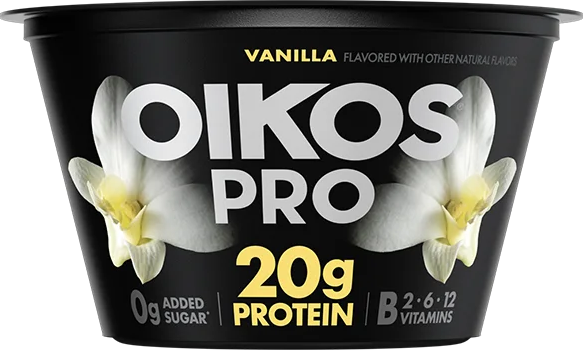
Oikos Fusion was built specifically for GLP-1 users, with each 7-ounce bottle containing 23 grams of protein and 5 grams of prebiotic fiber, and Oikos retail sales jumped 40% in 2024, passing $1 billion for the first time. Danone then acquired Huel, a deal the Wall Street Journal valued at nearly $1.2 billion, and has since completed it. Danone launches Oikos yogurt drink aimed at GLP-1 users +3
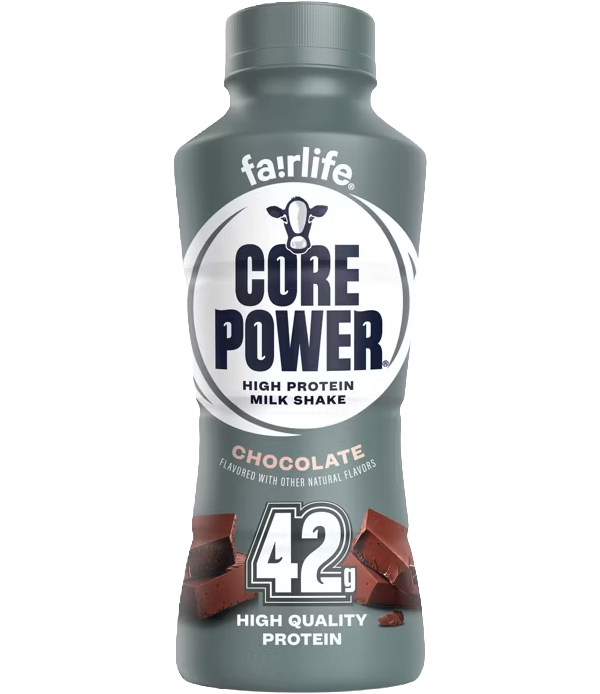
2. The Coca-Cola Company — fairlife, Core Power
Coca-Cola’s protein bet predates the GLP-1 boom. It began backing fairlife in 2014, bought the rest of it in 2020 for close to $1bn, and is now investing $650m to expand production. The CEO has said fairlife and Core Power kept growing, though production limits have kept fairlife from capturing the full protein opportunity. beveragedailyfoodnavigator-usa
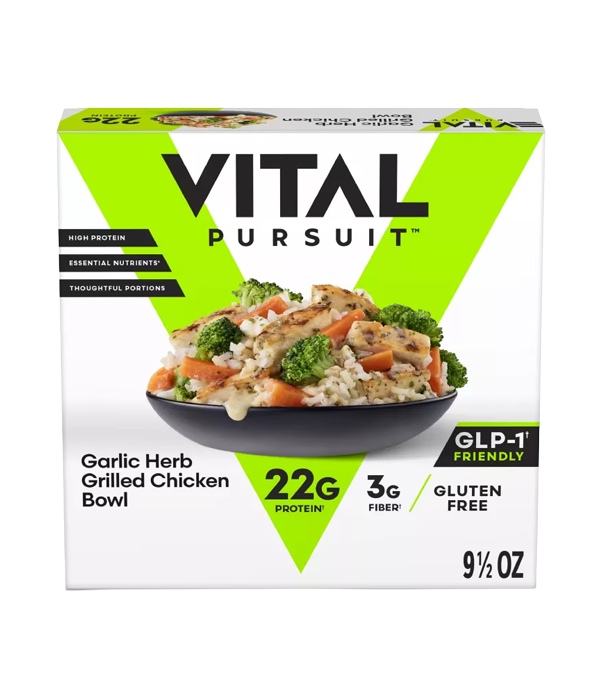
3. Nestlé — Vital Pursuit, Boost, Garden of Life
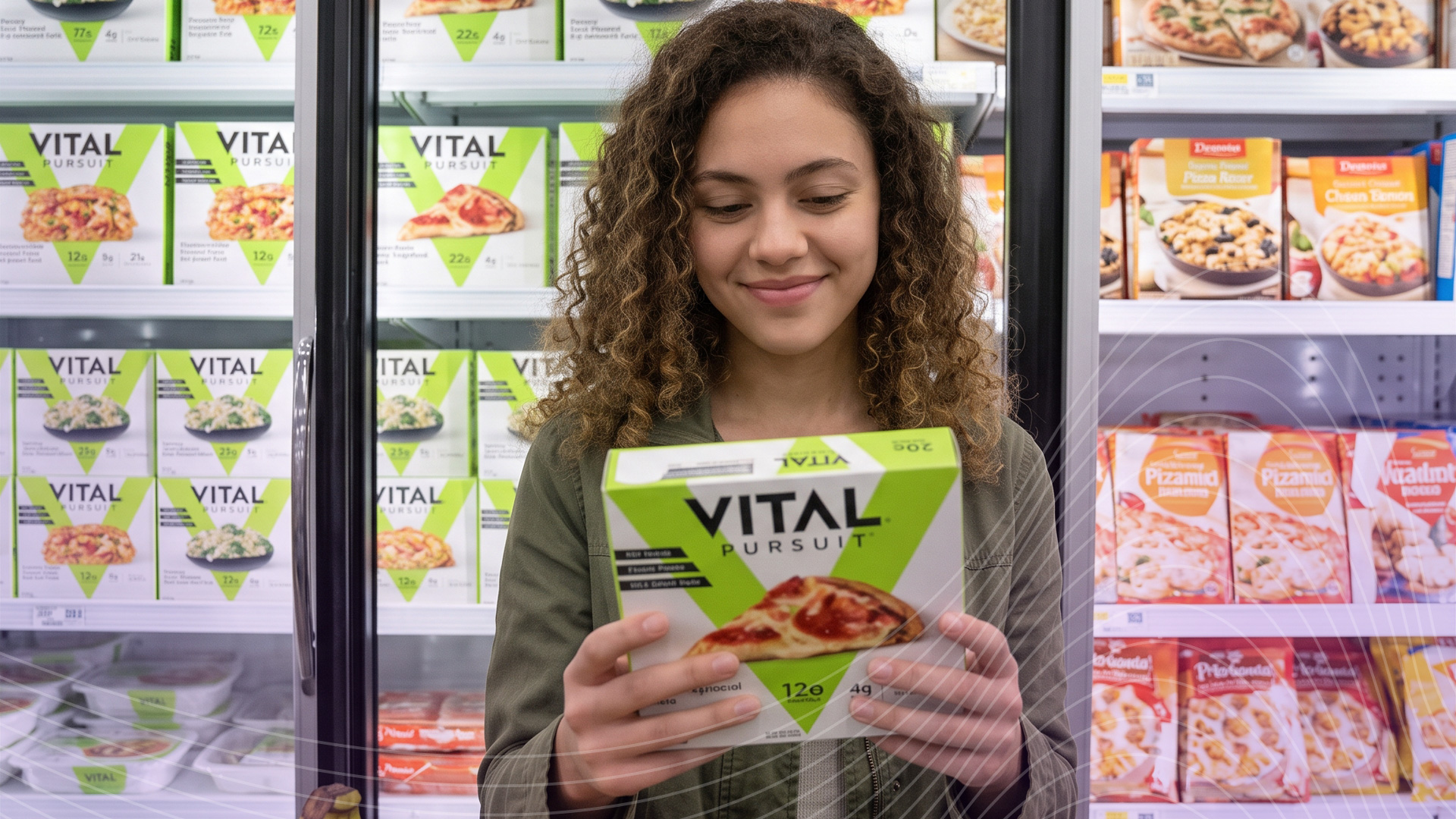
Nestlé built an entirely new brand rather than relabeling. Vital Pursuit was announced in May 2024 as a companion line for GLP-1 users, with each meal portioned to deliver at least 20 grams of protein. Nestlé Health Science also launched a GLP-1 nutrition platform built around brands like Garden of Life and Boost. Nestlé Introduces Vital Pursuit Brand to Support GLP-1 Users, Consumers Focused on Weight Management +2
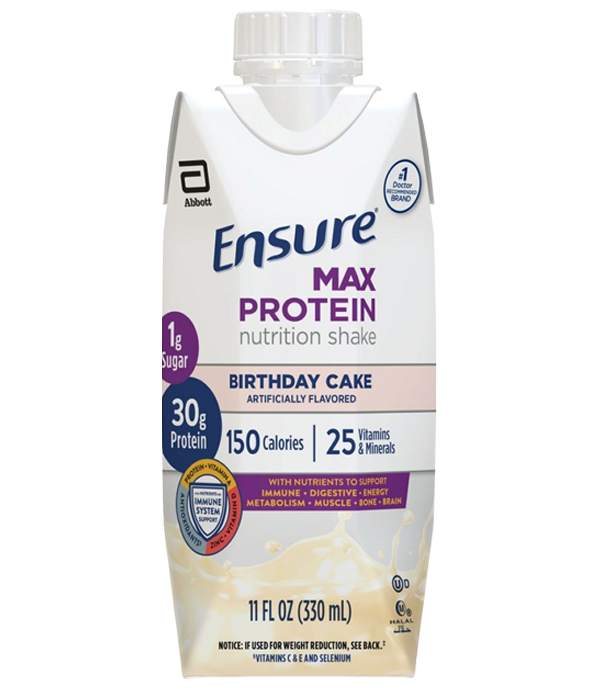
4. Abbott — Protality, Ensure Max Protein
Abbott moved earliest of any major player. Protality launched in January 2024 with 30 grams of protein and 150 calories per shake, aimed at preserving muscle during weight loss. Like Nestlé, Abbott created a brand specifically for people trying to lose weight, but it hasn’t broken out brand-level sales. prnewswiremodernretail
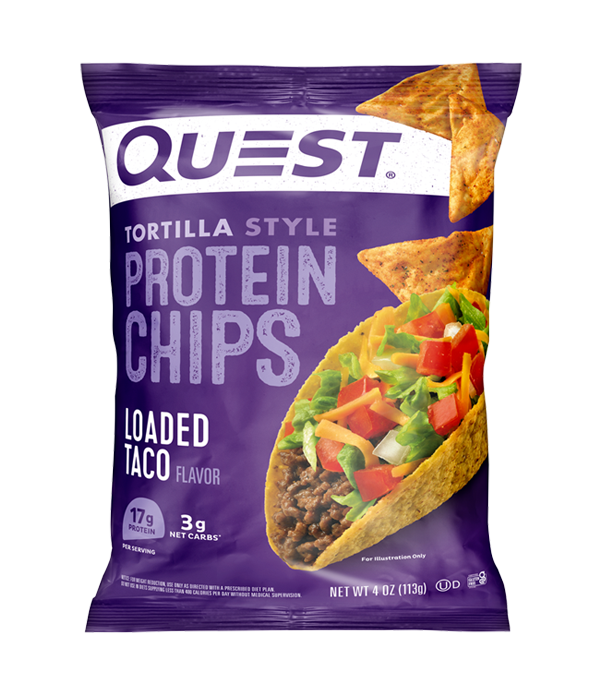
5. The Simply Good Foods Company — Atkins, Quest
This is the most debatable entry, and it’s included deliberately. Simply Good moved early with Atkins Strong, a shake line with 30 grams of protein and seven grams of prebiotic fiber positioned for people maintaining weight after GLP-1s, and funded research into whether GLP-1 users could tolerate a higher-protein, higher-fiber diet. But commercially it’s struggling: the company announced 15% layoffs as Atkins shakes lost momentum amid rising GLP-1 use. It shows that anticipating a trend isn’t enough on its own. Gut Support Protein Shakes: Atkins Strong Helps People Keep Weight Off After Their GLP-1… +2
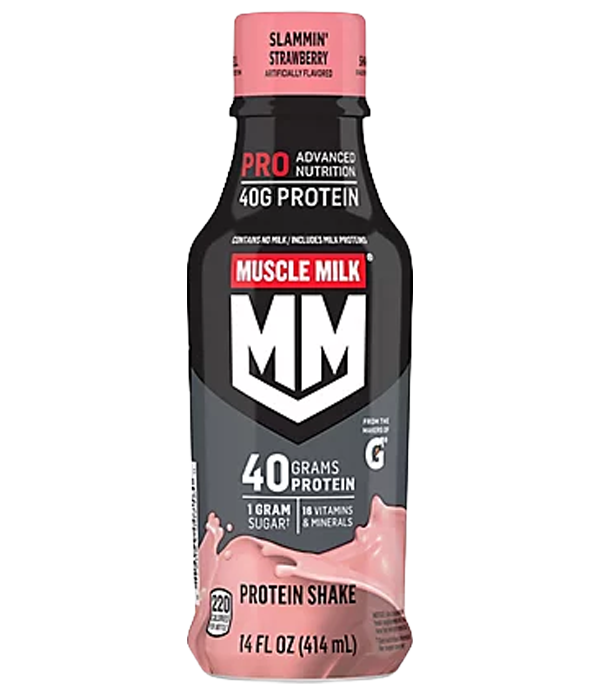
6. PepsiCo — Propel, Muscle Milk, Pepsi Prebiotic, Doritos, SunChips, Smartfood
PepsiCo is the clearest example of a fast pivot. It originally expected GLP-1s to have little impact, then aggressively added protein and fiber variants to Doritos, SmartFood, and SunChips while avoiding explicit GLP-1 positioning. The company has said GLP-1 users were a formative insight behind Propel Clear Protein, and its 100- and 120-calorie packs have performed well. GLP-1 Rewrites CPG Strategy +2
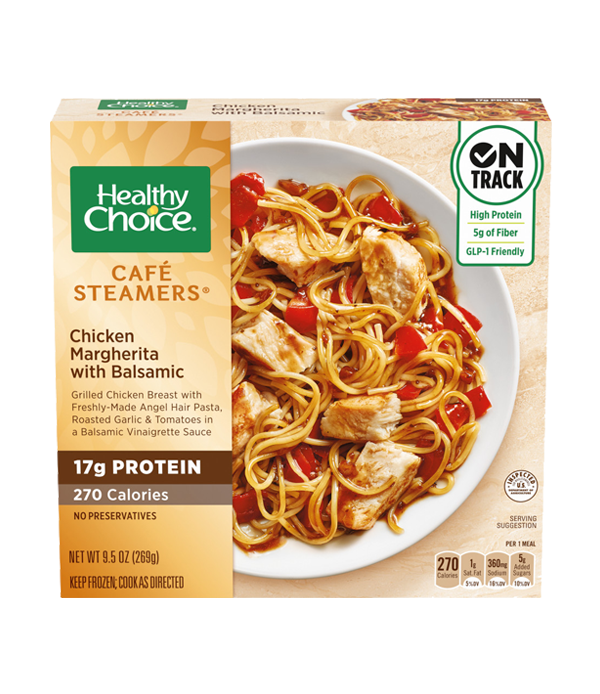
7. Conagra Brands — Healthy Choice
Conagra led on explicit labeling. In January 2025 it put an “On Track” badge on 26 Healthy Choice products noting they are GLP-1 Friendly, though no changes were made to the meals themselves. In its FY2026 proxy, Conagra says it expanded the On Track line. The relabeling (rather than reformulation) approach limits its commitment score. CPG brands cautiously adopt GLP-1-friendly claims on packaging +2
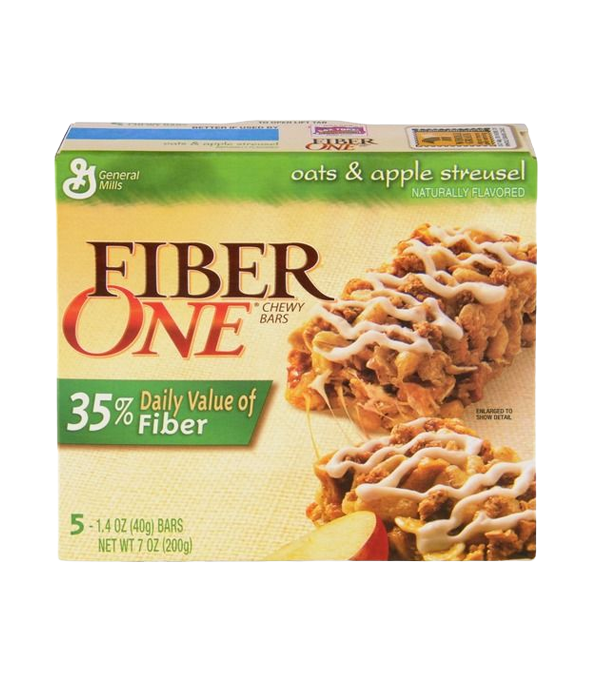
8. General Mills — Fiber One, Cheerios Protein, Nature Valley
Fiber One displays GLP-1 icons and messaging on the front of pack and through syndicated data attributes. On the protein side, CEO Jeff Harmening pointed to strong starts for Cheerios Protein while acknowledging GLP-1s are a calorie headwind. foodgraphbakeryandsnacks
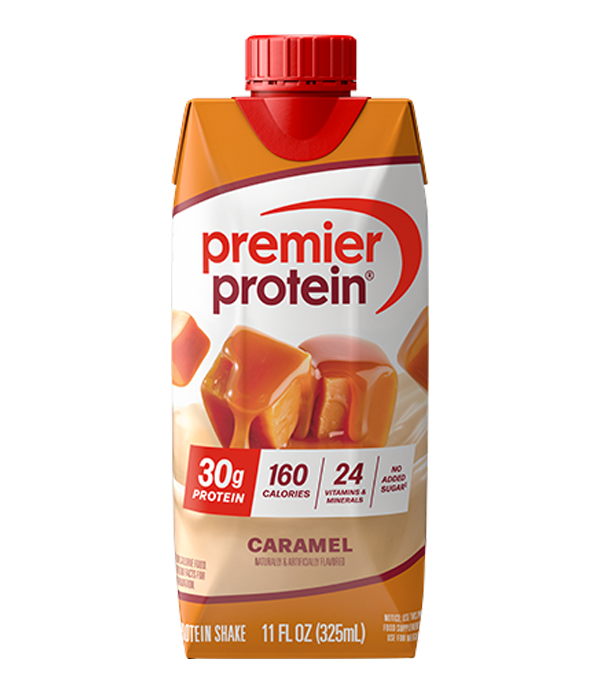
9 BellRing Brands — Premier Protein
BellRing is here more for format fit than intent. It’s seen as a relative winner as consumers shift from protein bars to ready-to-drink shakes, a format that’s easier for GLP-1 users with suppressed appetites. Premier Protein revenues approached $2 billion in 2024. financialcontentkavout
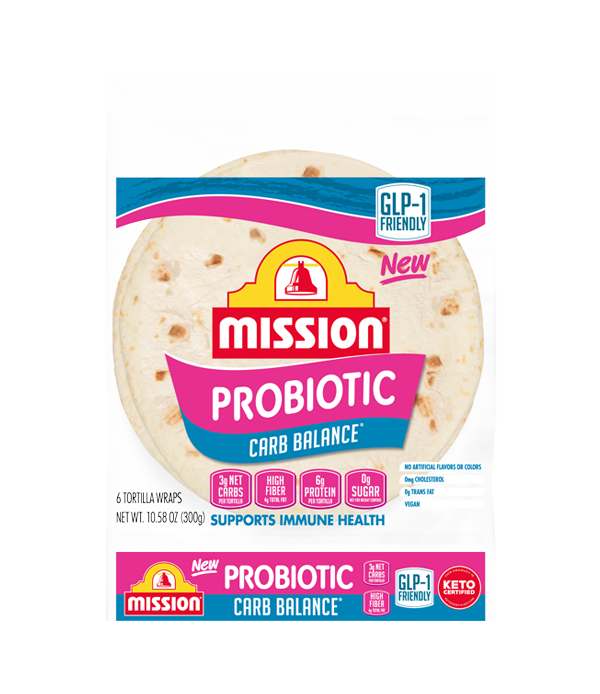
10. Gruma — Mission Carb Balance, Zero Net Carbs, Protein Tortillas
Mission is a notable example of GLP-1 positioning reaching the bread aisle. It carries a GLP-1 Friendly badge on its Carb Balance line, and roughly half a dozen tortilla products identify as GLP-1 friendly on their labeling. Foodnavigator
Frequently asked questions
How are GLP-1 drugs affecting CPG food and beverage sales? GLP-1 households cut grocery spending by about 5.5% within six months, with the biggest drops in snacks, baked goods and sugary drinks. Demand for protein, fiber and smaller portions is rising.
Can food brands market products as “GLP-1 friendly”? Some do, including Conagra, General Mills and Mission, but most use indirect claims like “high protein” or “good source of fiber.” Have legal review of any GLP-1 language, and never imply a product works with the medication.
How can creators help brands reach GLP-1 shoppers? Credentialed creators such as registered dietitians can explain protein, fiber and portion needs, while lifestyle creators show how products fit real routines. That content answers questions shoppers are already searching for.
Series Article 1: Your Creators Are Working. Your Org Chart Isn’t.
Methodology
Companies were eligible if they sell food or beverage products through U.S. retail and had at least one publicly documented product or strategic move tied to GLP-1 consumers.
Commitment depth (25%) measures how much the company invested. A new brand, an acquisition, or capital spending scored highest; a new product under an existing brand scored in the middle; relabeling existing products scored lowest.
Commercial traction (25%) measures disclosed results, such as sales growth, revenue milestones, or management commentary on performance. Companies that did not disclose results were scored conservatively rather than assumed successful, which is why Nestlé and Abbott rank below Coca-Cola despite moving earlier.
Timing (20%) measures when the company acted relative to the mainstream GLP-1 inflection in 2023–2024. Moves made before or during 2024 scored as “anticipated”; moves from 2025 onward scored as “evolved.”
Nutritional fit (20%) measures how well the products address documented GLP-1 user needs: protein for muscle retention, fiber for digestive health, smaller portions, and hydration.
Explicit positioning (10%) measures whether the company names GLP-1 on pack or in marketing, versus coding the benefit through “high protein” or “fiber” claims. This got the lowest weight because explicit claims are still a contested and cautious area for most brands.
Scores rely on public disclosures, not Circana or Nielsen scan data, so private brands and undisclosed results are underrepresented. Restaurants, DTC meal kits, and supplement-only brands were excluded to keep the list to CPG food and beverage.

John Francis is the Vice President of Sales & Marketing Operations at IZEA Worldwide (NASDAQ: IZEA), a full-service creator economy agency. Powered by its proprietary ZED technology, IZEA provides comprehensive influencer marketing solutions for brands. Since 2006, the agency has facilitated nearly 4 million brand-creator collaborations and partnered with over 1,500 brands. John leads the go-to-market strategy for IZEA’s enterprise services, working directly with marketing leaders at Fortune 500 companies across the CPG, media and entertainment, mobility, and consumer electronics sectors.