How CPG food and beverage brands get more from every creator dollar when Brand, Media, Shopper Marketing and PR plan together
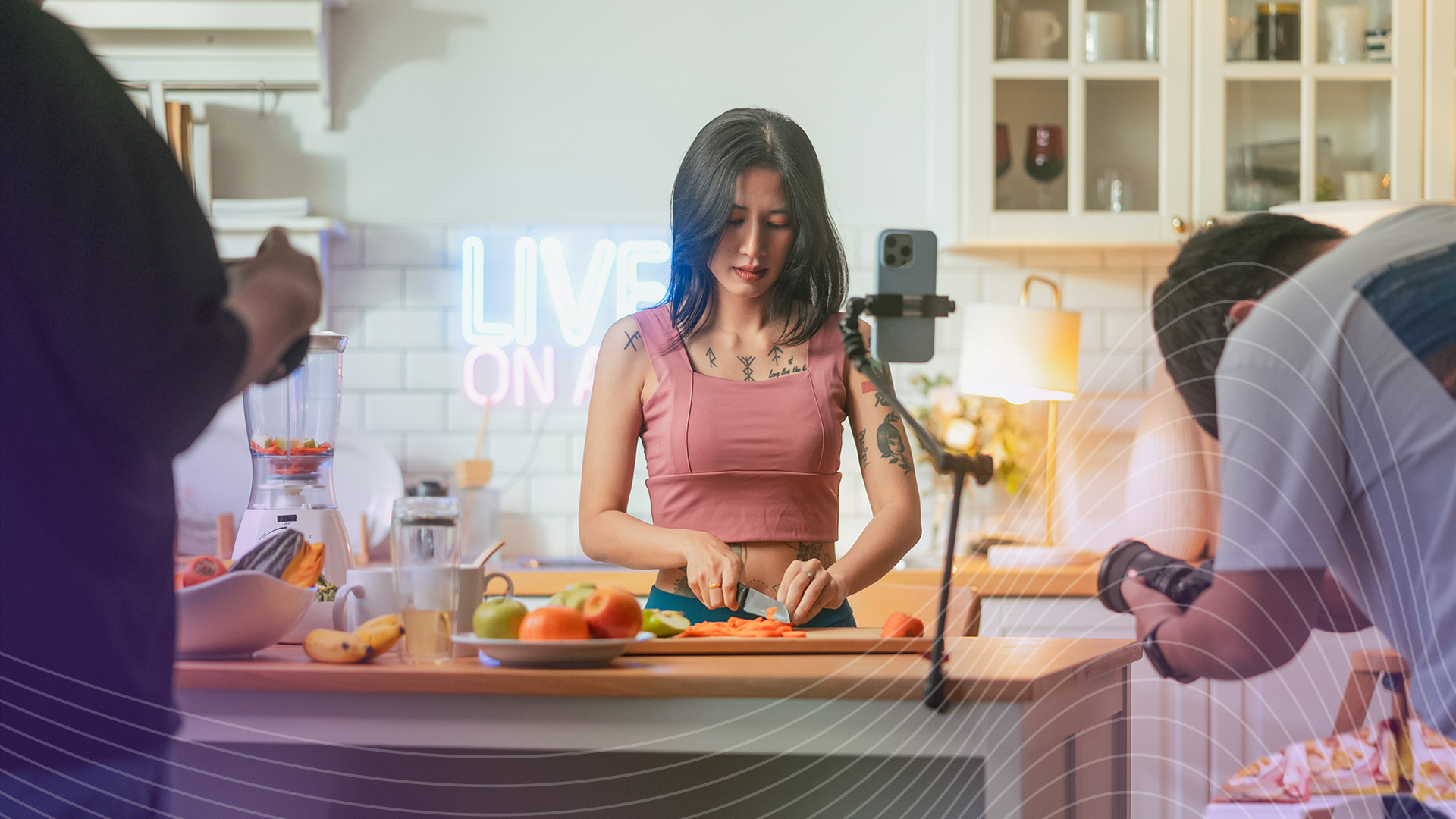
Integrated creator marketing means building one creator plan that Brand, Media, Shopper Marketing and PR all draw from, instead of four teams buying creators separately. For CPG food and beverage brands, it’s the difference between paying for creator content once and paying for it four times.
Why is creator marketing a CPG budget priority?
Creator marketing is now a core line in CPG media plans, not a test budget. U.S. brands spent an estimated $37 billion billion on creators in 2025, growing about four times faster than media overall, and nearly half of ad buyers now call creators a “must buy”. Unilever is moving social from roughly 30% to 50% of its media budget of its media budget and working with 20 times more creators.
So the question for a food and beverage CMO isn’t whether to invest. It’s how much of each investment survives past the team that paid for it.
Across 1,500+ brands and millions of creator collaborations, the biggest gap we see isn’t picking the wrong creators. It’s good creator content that never leaves the department that bought it.
How do marketing silos limit the value of creator content in CPG?
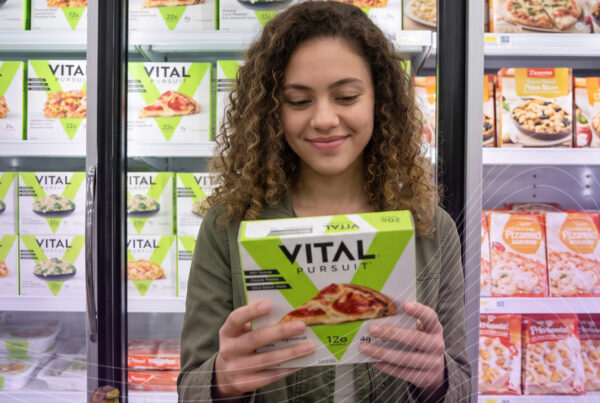
When every department buys content in a vacuum and keeps it in a silo, enterprise value evaporates. Take a typical holiday campaign at a large food company. PR books influencers for reach. Media runs its own paid social plan with its own targeting. Shopper Marketing buys sponsored product and display ads on Walmart Connect and Amazon Ads, then fills them with packshots and stock lifestyle photos, because the influencer contracts PR signed don’t cover retail media. Brand cuts down a TV spot that was locked months ago.
That’s four teams, four briefs and four sets of usage rights, with no shared results. The TikTok video that drove the most saves never makes it into paid social or the retailer’s ad placements. The shopper scrolls past a creator on the feed, then meets a static packshot in the retailer app, and sees four versions of the brand between the couch and the cart.
The cost shows up in three places:
- Duplicate spend. You pay for content more than once.
- Lost learning. What one team learns stays with that team. And, reporting roll-ups prevent isolated learnings from creator-led media, for example.
- Slow response. Your reaction to a trend moves at the speed of four approval chains.
What does each team gain from integrated creator planning?
Each team contributes what it does best and gets back something it can’t produce alone. The fix is one creator plan, built before any team writes a brief.
| Team | What it brings | What it gets back |
| PR | Reach and earned attention | A credible voice people already trust |
| Media | Audience targeting and paid scale | Creative that’s been tested in the wild, plus performance data |
| Shopper Marketing | Retailer priorities and the path to purchase | Human, relatable content for retail media, product pages and in-store |
| Brand | Platform direction and brand standards | A live read on culture, faster than a research cycle |
Retailers are already pushing brands this way. PepsiCo and Walmart started sharing data earlier and aligning merchant, marketing and media teams at the same time, and what they learned shaped PepsiCo’s national media across every retailer. Creators deserve the same treatment.
How do you run an integrated creator program?
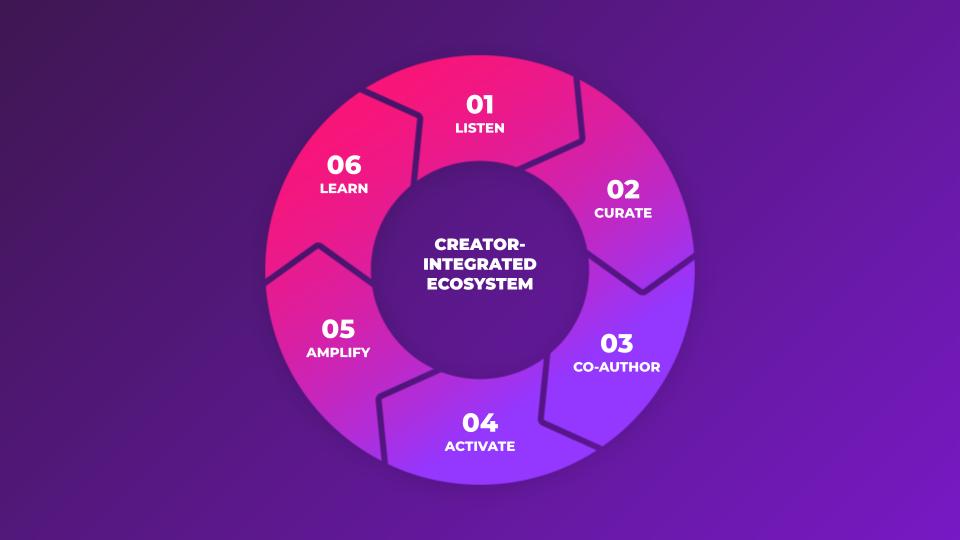
An integrated creator program runs in a six-step cycle, and each round makes the next one smarter:
- Listen. Find the questions and moments your shoppers are already talking about.
- Curate. Pick creators for the role they’ll play, not just audience size.
- Co-author. Build content with creators, not for them, so it sounds like them.
- Activate. Launch across social, retail and in-store at once.
- Amplify. Put paid behind what’s proven, not what’s newest.
- Learn. Feed results back into the next brief for every team.
How does creator content improve retail media performance?
Creator content improves retail media because shoppers respond to ads that look like the feed they just scrolled, not a resized print ad. U.S. retail media will reach an estimated $69 billion in 2026, with almost all of the growth going to Amazon and Walmart.
The payoff is easy to picture. The same creator who introduces your new beverage on TikTok greets the shopper on a Walmart digital banner, then again on the in-store display. One shoot, one face, one story.
What should CPG marketers do next quarter?
- Get Brand, Media, Shopper Marketing and PR into one creator planning session before any brief goes out.
- Share one results view across all four teams, so the best content gets reused on purpose.
Frequently asked questions
What is integrated creator marketing? Integrated creator marketing is a single creator plan shared across Brand, Media, Shopper Marketing and PR. Content is contracted once, with usage rights for every channel, and results are shared so every team can reuse what works.
Who should own creator strategy at a CPG company? No single team should own it alone. The most effective setup is a shared plan with one results view, where each team keeps its specialty and draws from the same creator content.

John Francis is the Vice President of Sales & Marketing Operations at IZEA Worldwide (NASDAQ: IZEA), a full-service creator economy agency. Powered by its proprietary ZED technology, IZEA provides comprehensive influencer marketing solutions for brands. Since 2006, the agency has facilitated nearly 4 million brand-creator collaborations and partnered with over 1,500 brands. John leads the go-to-market strategy for IZEA’s enterprise services, working directly with marketing leaders at Fortune 500 companies across the CPG, media and entertainment, mobility, and consumer electronics sectors.